From Ancient History to Marketing
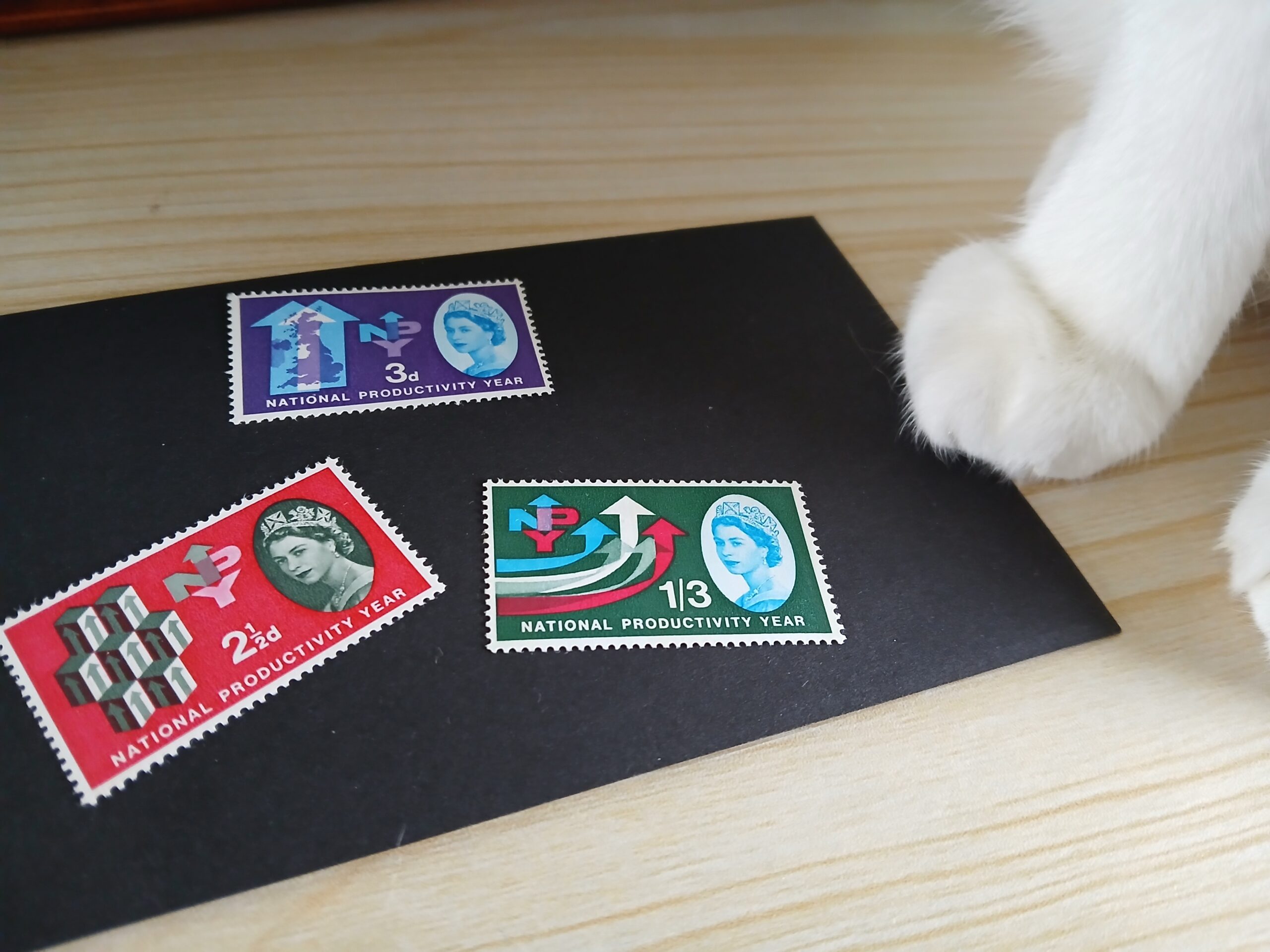
For years, I’ve been drawn to a particular kind of object: small, physical, and often historically significant. Coins. Stamps. Adverts. Postcards.
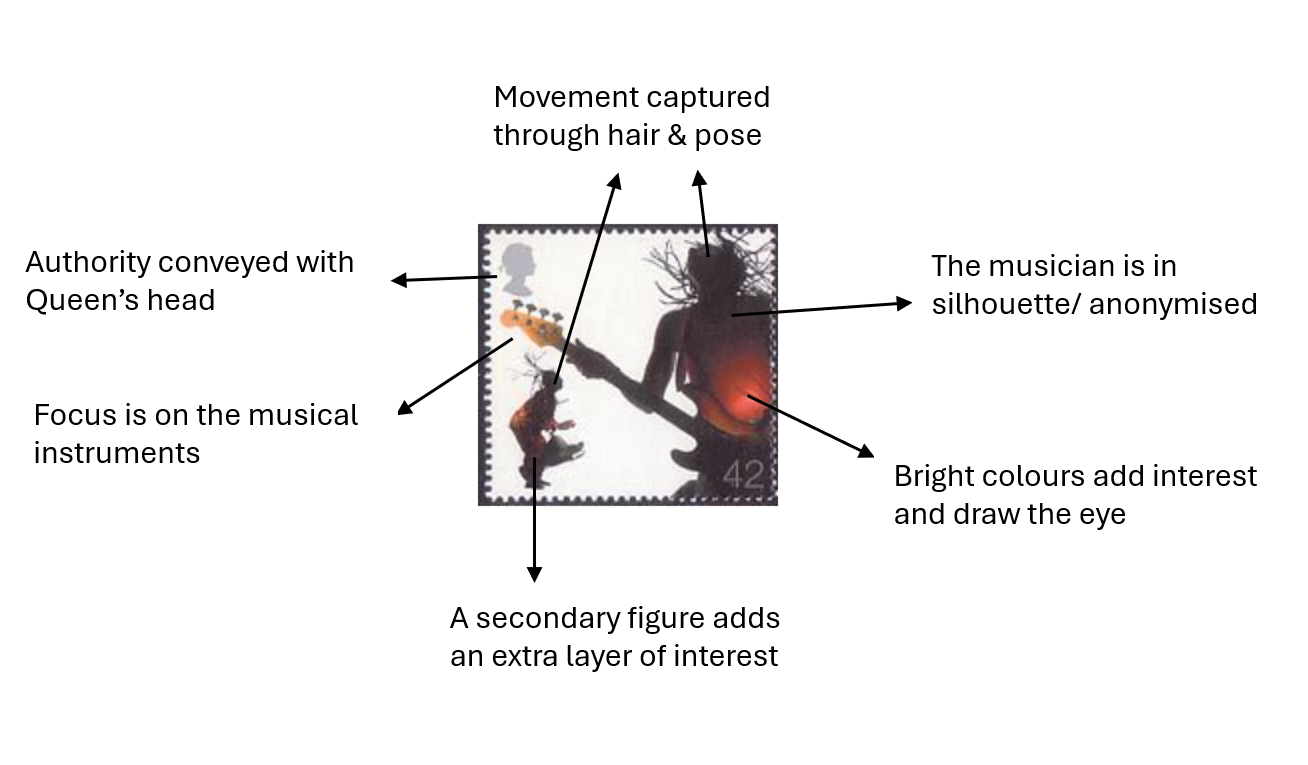
What fascinates me is how each one of these constrained forms of communication can convey information in a small area and short space of time. There are also frequently different layers of comunication, allowing the same object to be interpreted and understood in different ways by different audiences.
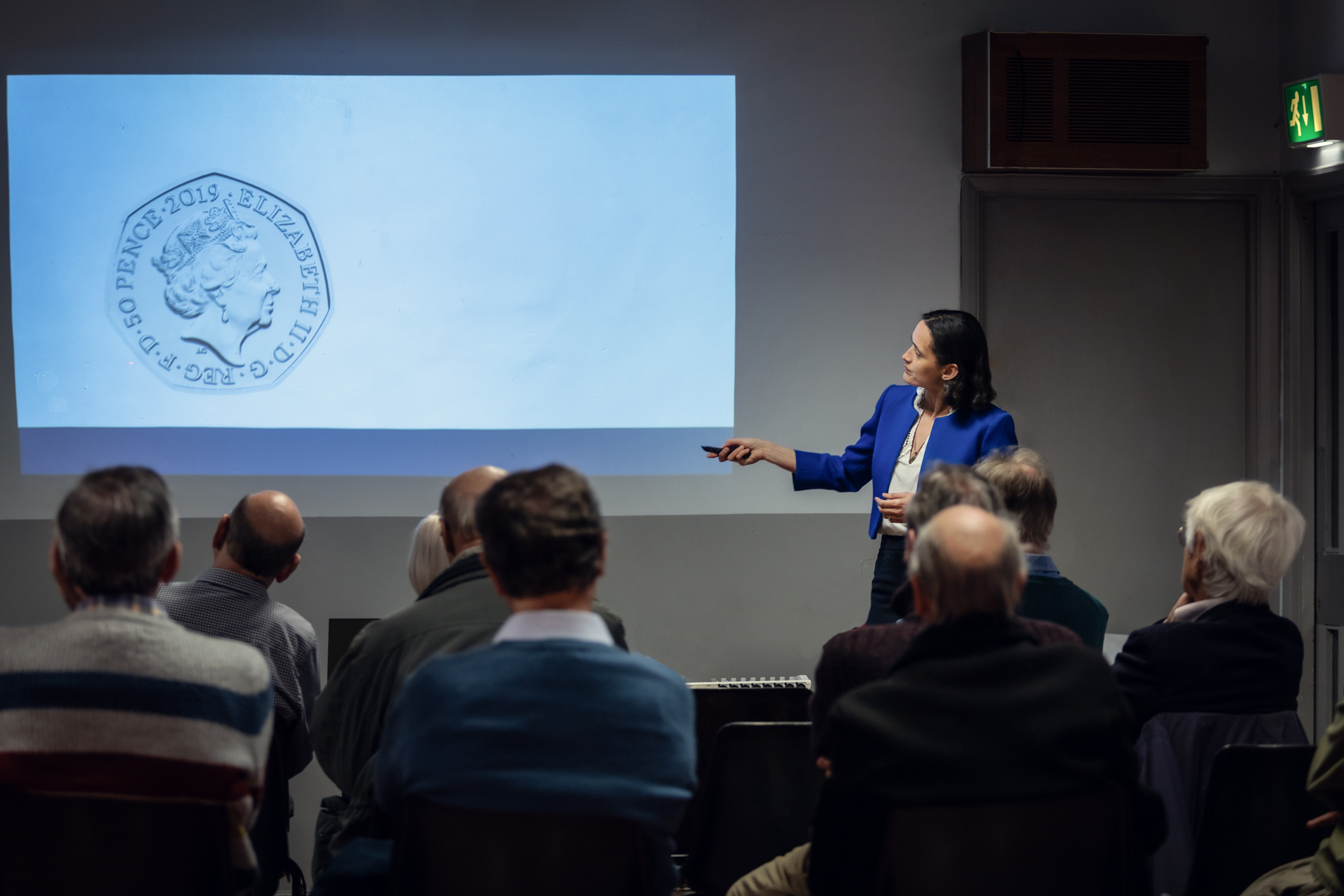
My journey began with History being my favourite subject at secondary school. I then went onto study Ancient History at the University of Reading, where I spent over a decade researching how messages were transmitted in the ancient world through physical objects and well-established processes.
After moving into the marketing world nearly ten years ago, I realised the tools had changed but the fundamental challenge remained the same: how do people take knowledge and make it accessible to different audiences?
The Insight
The answer, it turns out, is constraint.
When you cannot be vague, there is no space for jargon, no room for hedging, no option to add another slide — you are forced into clarity. Every element earns its place or it doesn’t appear at all.
That’s the lesson I kept extracting from these objects. And eventually I started asking: why don’t modern businesses know this?
The IDEA Methodology
That question became the IDEA Framework: a four-stage methodology for extracting communication principles from historical artefacts and applying them directly to modern business problems.
Inspect. Decode. Extract. Apply.
It’s the spine of everything I do — my content, my workshops, my advisory work.
How I help Businesses
I work with specialist, values-driven businesses — typically founders, MDs, or senior partners in professional services — who are expert at what they do but find it genuinely difficult to communicate their value to people who haven’t experienced it yet.
I help them find their message and audience. Then I give them the tools to deliver it themselves.
What I offer is thinking: a methodology and frameworks, and an outside perspective on how your business communicates.
If this sounds like the kind of thinking your business needs, or you’d like to find out how this applies to your business, you have two options: