Ep.90 Communication secrets from the Cole Museum
With Dr Thomas Clements
Episode Description:
How do you take a topic that is traditionally seen as “dusty and boring” and turn it into something that completely captures the public’s imagination?
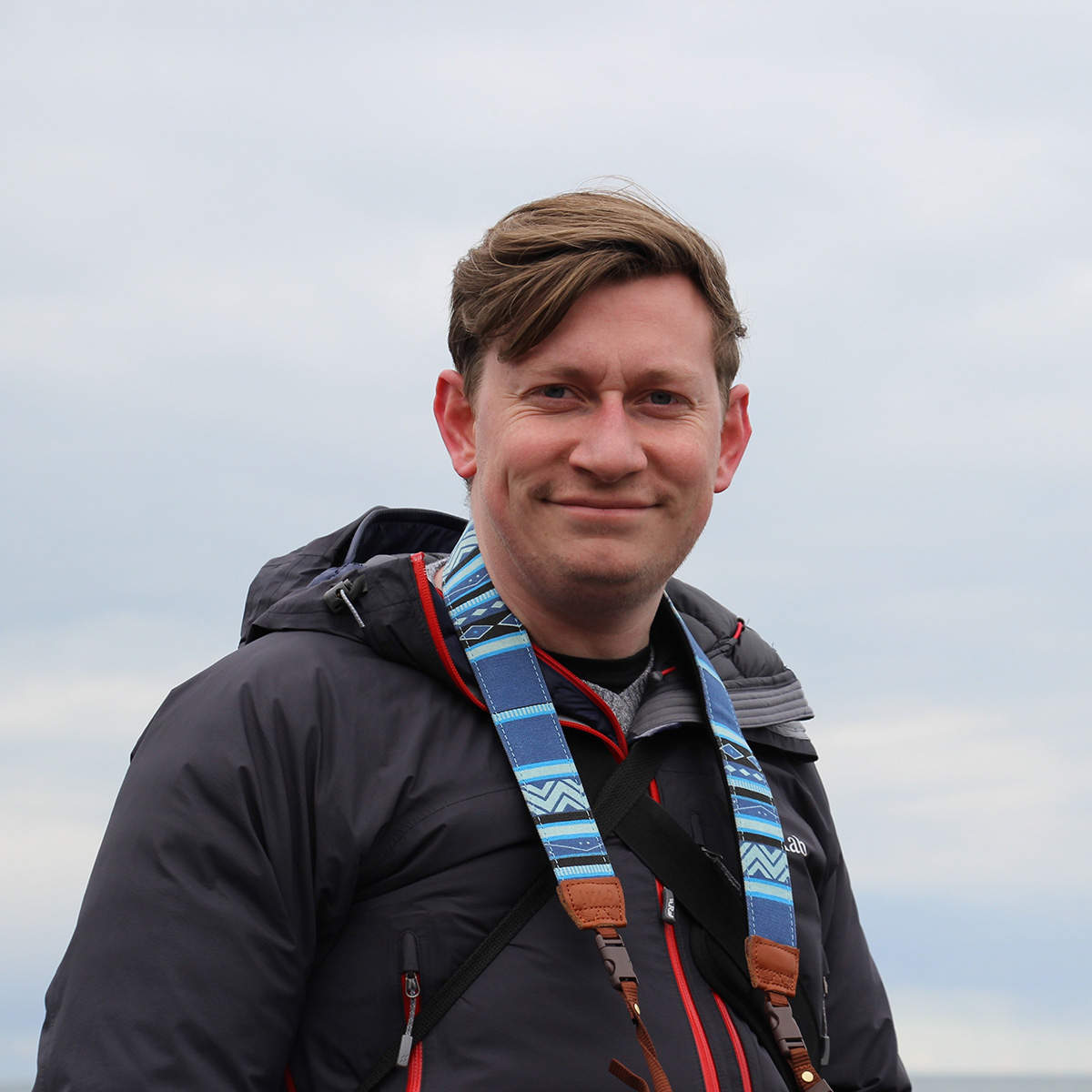
In this episode, Dr Thomas Clements, lecturer of invertebrate zoology and deputy curator of the Cole Museum, takes us behind the scenes of their incredible collection and shares the fascinating realities of his research.
We also explore the art of science communication, breaking down how to connect with different audiences and navigate modern marketing challenges, including the rise of “platform fatigue”.
Finally, we head to the south coast for some local adventure at Lyme Regis, where Thomas shares his brilliant insider tips on how to successfully find your own fossils.
This episode is packed with valuable communication insights, actionable advice, and fascinating research extracts.
Cole Museum: collections.reading.ac.uk/cole-museum
Cole Museum Social Channels:
Thomas Clements’ Website: tgclements.com/
Thomas Clements’ Social Channels:
Visit the Cole Museum
Deputy Curator of the Cole Museum, Thomas Clements, provides advice on how to view the collections when you visit:
(Image credit: Cole Museum, University of Reading)
Listen to the episode
Episode Time Codes
00:00 Welcome
00:24 Cole Museum study room | recording location
01:24 What is the Cole Museum
02:50 How the Cole Museum is organised | How to view it when you visit
04:09 Highlights in the Cole Museum
04:59 How the Cole Museum is a snapshot in time and highlights environmental pressures on animals today
05:37 Maria’s highlights in the Cole Museum
05:58 How the Cole Museum seeks to bring fossils to life with models
07:40 Preservation of colour in the fossil record
10:52 Reading Dino trail 2026 | Display case in Cole Museum
13:30 Thomas’ research
15:54 Case study from Thomas’ research | Octopus and Squid
16:43 How Thomas and scientists communicate their work
19:41 What are the general public interested in
21:53 Important lesson for young people
24:00 Challenges with communicating today
27:12 Common fossils
28:31 Tips for finding fossils
30:52 Can fossils be donated to your chosen museum?
31:49 Thomas’ closing thoughts
Videos
Display Case for Reading Dino Trail 2026
How Scientists Identify Dinosaur Colours
How Scientists Communicate
Communication Challenges for Scientists
Fossil Hunting Tips
Key takeaways
Story-led Content
You cannot engage an audience or grow a community by presenting your business in a dry, overly technical way. To truly capture the public’s imagination, you must abandon dense jargon and tell human-centric stories. Whether you are marketing a complex service or a niche product, shifting your focus to the people, the passion, and the narrative behind your brand is what turns passive observers into an active audience.
Hook Your Audience by Embracing the “Odd” Factors
True brand differentiation happens when you lean into what makes your industry unique, even if it seems unconventional or unglamorous at first glance. Thomas effectively hooks public curiosity by leaning directly into the “gross” and fascinating realities of his research on how animals decay. Business owners can replicate this strategy by identifying the most unique, unusual, or behind-the-scenes aspects of their day-to-day operations and bringing them to light. Demystifying your process and sharing the unexpected details of your work instantly sparks conversation and builds a memorable identity.
The “Question Everything” Strategy for Self-Discovery
You cannot find your true calling by staying inside a rigid, predefined box. Thomas shares that he initially struggled to find what inspired him, and it wasn’t until he visited a museum that his passion was sparked. He argues that a great scientist doesn’t need to start out with perfect academic grades, they just need to be naturally curious and constantly ask how and why things work. For individuals and businesses alike, embracing a mindset of relentless curiosity and questioning everything is the ultimate way to uncover unexpected opportunities, spark creativity, and discover where your true strengths lie.